RIVEROS CORP NETWORK | Apostille de la Haya · Notary Public Center · Compliance Officers · USJurisdiction
+1 (305) 647-3000 · WhatsApp · Español|English
Home » FOIA Requests
We work out which agency holds your records, write the request, file it through the official channel and follow it until the agency answers. Miami office, English and Spanish, and everything can be handled remotely.

A FOIA request is a written request, open to any person, for copies of records held by a federal agency. It is governed by the Freedom of Information Act, 5 U.S.C. §552.
As a general rule, you do not have to say why you want the records. You do have to describe them well enough for the agency to find them, and follow that agency’s published rules.
FOIA covers executive branch agencies only. It does not reach Congress or the federal courts, and it does not apply to states, counties or cities, which have their own public records laws.


USCIS, CBP, ICE, the immigration court, the State Department and the FBI each keep different records, and each has its own way to request them.

Missing identity verification, a missing signature from the person the records are about, or a description too vague to search.

Nobody checks the status or answers the agency's follow-up questions.
Or a "no records" letter, with no clear idea of whether you can push back, or by when.

FOIA does not reach them; they fall under state public records laws instead.

Your company needs contract or inspection files, but does not want its own confidential submissions to leak the other way.

The records arrive in English, full of agency shorthand.
What we do: We pin down the record you need and who keeps it before anything is filed.
What we do: We prepare the identity verification or signed consent that agency requires.
What we do: We track the request by its control number and keep you posted.
What we do: We review the response and prepare an administrative appeal on time.
What we do: We request them under the public records law that applies.
What we do: We scope the request so the agency can search for the records, and follow it to the response.
What we do: We keep you posted in Spanish or English on every step and every agency response.
| What you are looking for | Who holds it | Where we cover it |
|---|---|---|
| Your immigration file (A-file) | USCIS | USCIS FOIA requests |
| Border and airport entries, exits and inspections | CBP | CBP FOIA requests |
| Your immigration court record | EOIR, Department of Justice | Immigration court and ICE FOIA |
| Detention or removal records | ICE | Immigration court and ICE FOIA |
| Visa or passport records | Department of State | On this page |
| FBI files about you | FBI | FBI FOIA requests |
| Your fingerprints and photos in DHS biometric systems | OBIM | On this page |
| Inspections, enforcement or federal contracts | The agency that inspected or contracted (OSHA, EPA, FDA and others) | FOIA for businesses |
| State, county or city records | The state or local body itself | Florida public records requests |
The Privacy Act, 5 U.S.C. §552a, gives U.S. citizens and lawful permanent residents a right of access to records about themselves kept in an agency’s system of records.
If you are neither a citizen nor a permanent resident, FOIA is the route. We cite the right basis in every request.
For FOIA requests, generally no. For your own records, each agency verifies identity its own way: almost all accept a notarized signature or a statement under penalty of perjury, and the State Department accepts only the statement.
The practical exception is OBIM, the DHS office that keeps biometric records: its official FOIA.gov page asks for a scanned fingerprint card to speed up the search, although its regulations do not require one.
Our Miami office is licensed to process FBI background checks and holds a state-level license. When a process requires fingerprints, or an agency such as OBIM asks for them, we take them at the office.
The FBI Identity History Summary (the criminal background check) does require fingerprints, but it is not a FOIA request.
The State Department’s new FOIA regulations took effect on October 21, 2026. Requests go through its FOIA website or FOIA.gov.
By WhatsApp, phone, email or at the office. We tell you which agency has it and whether FOIA, the Privacy Act or a state law applies.
Names, dates, file or case numbers: whatever lets the agency find the records.
Specific enough to be searched, broad enough not to miss what matters.
The request is in your name: you are the requester. When you ask for your own records, the details the agency asks for and your signature: notarized or under penalty of perjury, depending on the agency. The State Department accepts only the penalty-of-perjury statement. If the records are about someone else, we add their signed authorization.
The agency's own portal or FOIA.gov, the national portal, depending on where that agency takes requests. If the portal requires your own account, such as USCIS FIRST, we walk you through filing from it. You get the tracking number.
We send you the records the agency releases and tell you what it said.
We prepare the administrative appeal within the deadline.
Deadline. An agency has 20 working days to decide whether it will comply. In unusual circumstances it can extend that by up to 10 more working days, with written notice. The deadline is for the decision, not for handing over the documents, and it is no promise of when they will arrive.
Expedited processing. You can ask for it when there is a compelling need, such as an imminent threat to someone’s life or physical safety, backed by a certified statement. The statute gives the agency 10 days to decide on that request.
Fees. Agencies may charge for search, review and duplication depending on the requester’s category. Non-commercial requesters do not pay for the first two hours of search or the first 100 pages of duplication, and anyone can ask for a public-interest fee waiver. Our own fee is separate from any agency charge.
Exemptions. The law sets out nine exemptions, including classified defense or foreign policy information, trade secrets, personal privacy and certain law enforcement records. The agency must release any reasonably segregable portion, and may withhold only if it reasonably foresees that disclosure would harm an interest an exemption protects, or if a law prohibits disclosure.
Businesses. Companies use FOIA to obtain awarded federal contract documents, inspection reports and enforcement files, and as part of due diligence on a counterparty. What a company can request, and from which agency, is covered in FOIA for businesses.
If your company gave an agency confidential commercial information, Executive Order 12600 and agency regulations provide for notice before release, so you can object.
Paralegals, consultants and law firms. You can hand us requests on behalf of your clients. The request clearly names the client it is made for and, when the records are about that client, carries their written authorization. We track every request number.
175 SW 7th ST, Suite 1905. Come in, or do everything remotely.
English and Spanish with you, English with the agency.
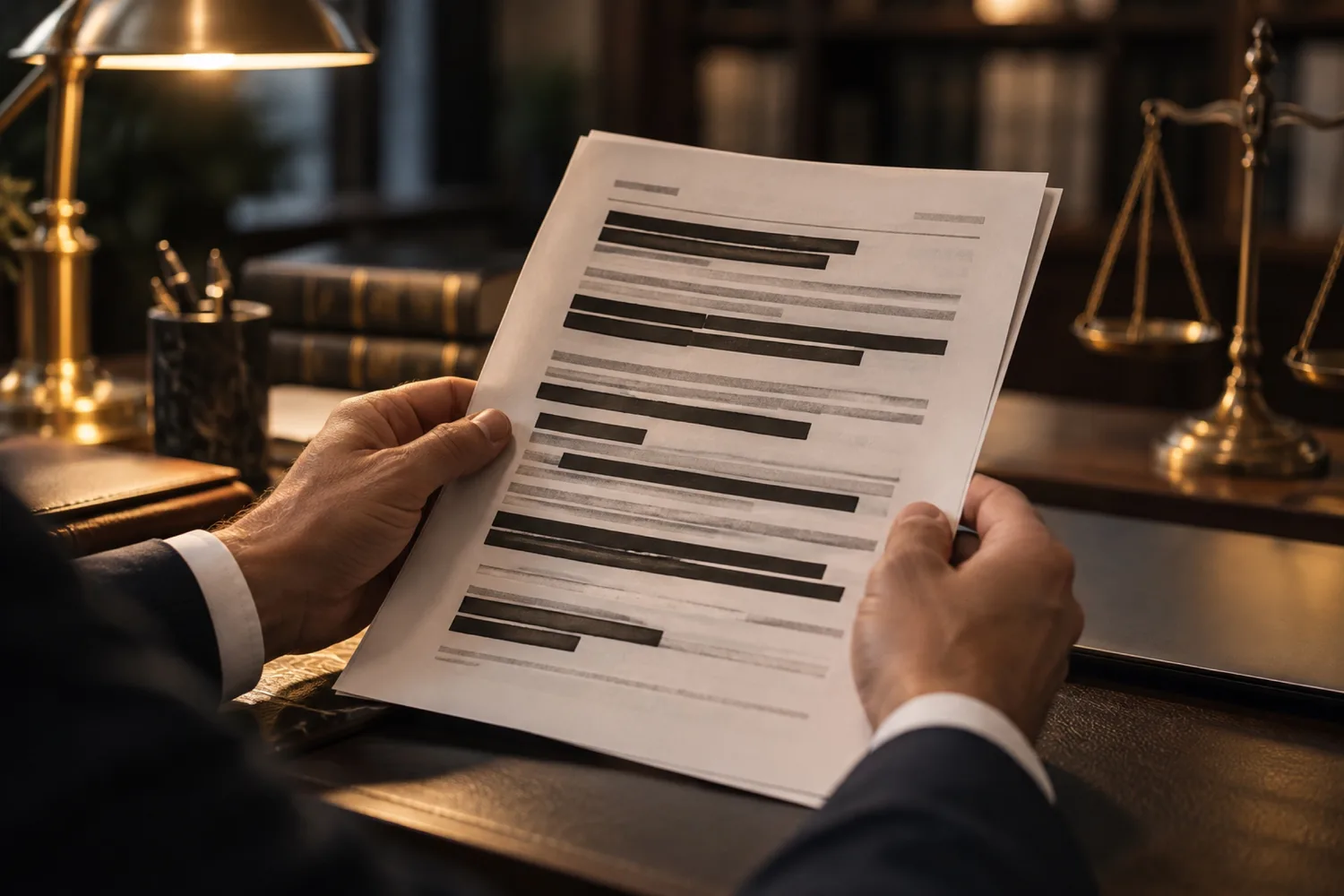
If it comes back redacted or incomplete, we tell you which exemptions the agency cited and prepare the appeal if you decide to file one.
We handle requests to federal agencies, Florida bodies and other states.
Licensed to process FBI background checks, with a state-level license.
Riveros Corp was founded by Zulma E. Bourelly, a Florida Notary Public, County Court Mediator and ACAMS-certified CAMS.
Any person, U.S. citizen or not, and companies too.
As a general rule, no. You only have to describe them well enough for the agency to find them.
The agency has 20 working days to decide, extendable by 10 working days in unusual circumstances. That deadline is for the decision, not the release, and we cannot promise when the agency will answer.
Agency fees depend on your requester category: search, review and duplication. Our fee is separate; ask us about your case.
You can ask, but without that person’s signed authorization, or proof of death, the agency will normally withhold anything that would invade their privacy. With it, you get greater access.
The agency must indicate the amount of information deleted and the exemption applied, unless doing so would harm the interest it protects. We check which ones were applied and, if you decide to, we prepare the appeal.
The statute requires at least 90 days from the adverse decision; each agency sets its own period.
No. State and local records fall under the public records law of the state concerned, such as Chapter 119 in Florida.
No. The FBI Identity History Summary is a separate process, with its own rules and fingerprints. A FOIA request to the FBI asks for FBI files that mention a person. Our office also processes the background check itself, and is licensed to do so.
Usually not. For your own records, agencies verify identity through your signature, notarized or under penalty of perjury depending on the agency. OBIM asks for a fingerprint card to speed up searches of biometric records, although its regulations do not require one. If your process needs them, we take them at our Miami office.
Yes. Almost every federal agency takes requests online, through its own portal or FOIA.gov; the National Archives (NARA) takes them by email, mail or fax.
No. We deliver the records as the agency releases them. Case strategy is for a licensed attorney.
Yes. The request names the client it is made for and, when the records are about them, carries their written authorization.
Message us on WhatsApp, call +1 305 647 3000 or visit our Miami office. We’ll tell you which agency holds them and how to ask for them.
Email: [email protected] · 175 SW 7th ST, Suite 1905, Miami FL 33130
your immigration file (A-file).
border entry, exit and inspection records.
your court record and detention or removal records.
federal contract, inspection and enforcement records.
when the record sits with a state, county or city.
FBI files that mention a person.
when a response comes back denied or redacted.