
RIVEROS CORP NETWORK | Apostille de la Haya · Notary Public Center · Compliance Officers · USJurisdiction
+1 (305) 647-3000 · WhatsApp · Español|English
Home » FOIA Requests » CBP FOIA Requests
We prepare and file your CBP FOIA request, with the identity verification it needs, and follow it until CBP answers. Miami office, English and Spanish, and everything can be handled remotely.

A CBP FOIA request asks U.S. Customs and Border Protection for the records it keeps about you. CBP holds records of international travel to and from the U.S., Border Patrol apprehensions and detentions, and secondary inspections at ports of entry. That includes admissions, refusals of admission and inspections at air, land and sea ports of entry.
Since January 22, 2026, CBP no longer accepts requests by mail, fax or email: they go through the SecureRelease portal or FOIA.gov.

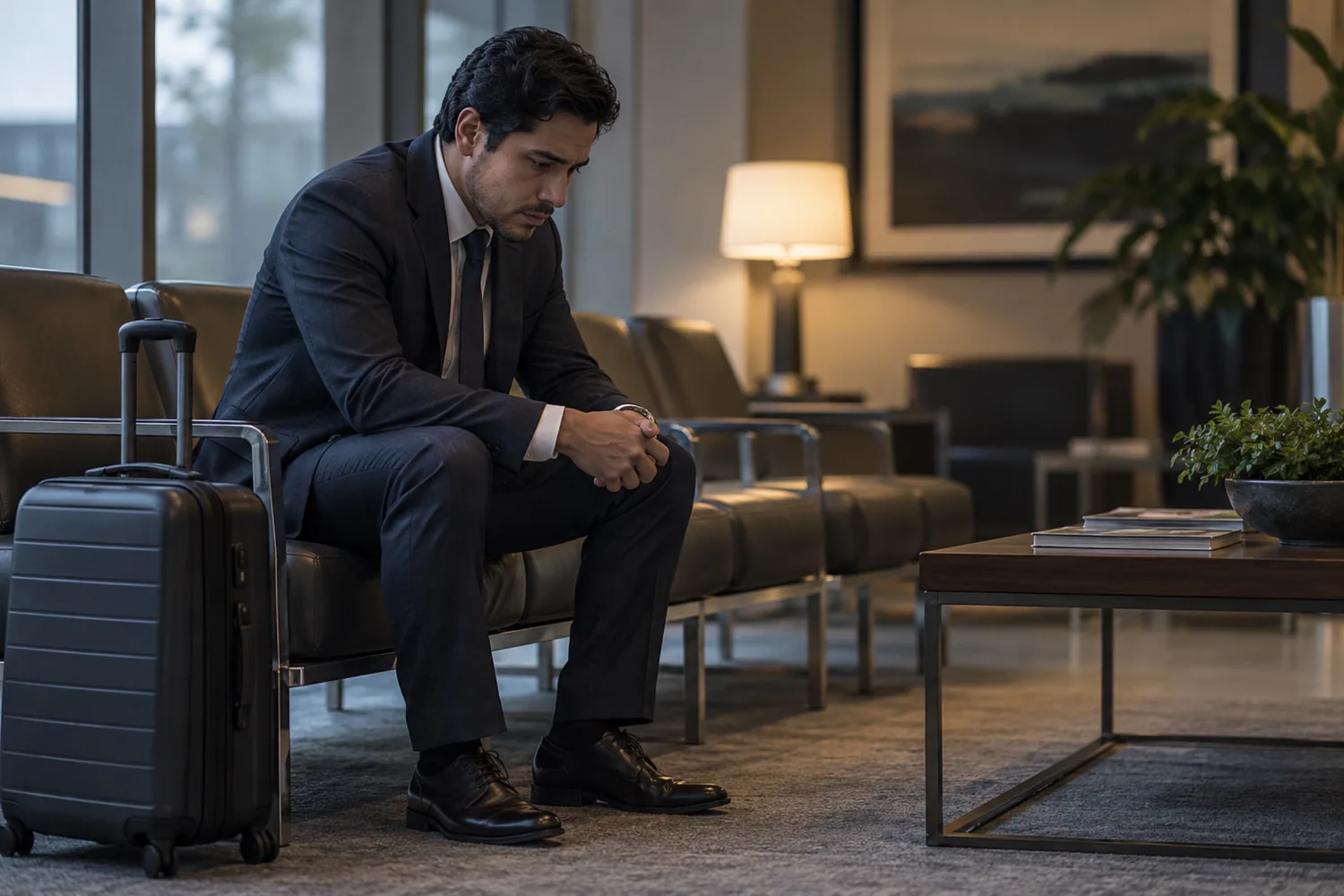
You were questioned, your documents were reviewed, and nobody told you what was written down.

You need to know what the record says before you travel again or start another case.

And you are not sure whether that needs FOIA at all.

You don't know how far back the records go.

You need to know what authorization CBP expects.

The question is whether the I-94 covers it, or a FOIA request to CBP is needed.
What we do: We request CBP's records of that inspection.
What we do: We request the records of that port-of-entry encounter.
What we do: If the I-94 is enough, you get it from CBP's I-94 website without FOIA, and we tell you before anything is filed.
What we do: CBP has no entry and exit records before 1982; we say so up front.
What we do: We prepare the signed consent CBP asks for.
By WhatsApp, phone, email or at the office.
If the I-94 is enough, we tell you.
Approximate travel dates, ports of entry, passport numbers: whatever helps CBP find the records. The law asks for a description that lets the agency find them.
For your own records, CBP asks for your full name, address and date of birth, plus a signed Certification of Identity, a statement under penalty of perjury, or a notarized signature.
Through SecureRelease or FOIA.gov, and you get the tracking number.
You hear from us at each step and when CBP responds.
If you decide to, we prepare the administrative appeal on time.
The I-94 is the arrival and departure record CBP makes available on its I-94 website. Getting it does not require a FOIA request.
A CBP FOIA request makes sense when you need more than the I-94: what was noted at a secondary inspection, a refusal of admission, or a Border Patrol encounter.
CBP searches based on your description: the law asks for one that lets the agency find the records. Before filing, we work it out with you:
Deadline. CBP has 20 working days to decide whether it will comply, and can extend that by up to 10 working days in unusual circumstances. The deadline covers the decision, not the release.
Fees. Non-commercial requesters are not charged for the first two hours of search or the first 100 pages of duplication. Our own fee is separate from any agency charge.
Redactions. The law allows withholding in nine situations, among them other people’s personal privacy and certain records compiled for law enforcement purposes. Even so, CBP must release any reasonably segregable portion and indicate how much it deleted and under which exemption. If the response looks incomplete, the statute gives you at least 90 days to appeal.
Not everything about a trip sits with CBP. Before filing, we tell you which agency has what you are after:
175 SW 7th ST, Suite 1905. Come in, or do everything remotely.
For travelers and families who prefer Spanish.
If the I-94 is enough, or the trip predates 1982, we say so before filing.
If you also need the USCIS A-file or the immigration court record, we request each from its agency at the same time.
Riveros Corp was founded by Zulma E. Bourelly, a Florida Notary Public, County Court Mediator and ACAMS-certified CAMS.
Paralegals, consultants and law firms can hand us CBP requests for their clients. The request clearly names the client it is made for, and CBP asks for a signed Form G-28 or another consent signed by the subject.
For the arrival and departure record, yes: the I-94 comes from CBP’s I-94 website, without FOIA. FOIA is for other records, such as secondary inspections or refusals of admission.
It is the online portal where CBP takes FOIA requests, along with FOIA.gov.
No. Since January 22, 2026, CBP does not accept requests by mail, fax or email.
The agency has 20 working days to decide, extendable by 10 working days in unusual circumstances. That deadline is for the decision, not the release, and we cannot promise when CBP will answer.
Yes, with a signed Form G-28 or another consent signed by that person.
No. CBP has no entry and exit records before 1982.
Secondary inspection records are among what CBP keeps. What it releases depends on the exemptions it applies.
No. CBP verifies identity through a signed certification, a statement under penalty of perjury or a notarized signature.
CBP must indicate the amount of information deleted and the exemption applied, unless doing so would harm the interest it protects. If you decide to, we prepare the appeal.
Yes. A representative can make the request for a client if the request clearly names that client, and CBP asks for a signed Form G-28 or another consent signed by the subject.
Fees depend on the requester category; non-commercial requesters are not charged for the first two hours of search or the first 100 pages. Our own fee is separate.
Yes. The request is filed online, through SecureRelease or FOIA.gov.
Message us on WhatsApp, call +1 305 647 3000 or visit our Miami office. We’ll tell you whether your case needs FOIA or just the I-94.
Email: [email protected] · 175 SW 7th ST, Suite 1905, Miami FL 33130
how FOIA works and which agency holds which record.
your immigration file (A-file).
your court record and detention or removal records.
when a response comes back denied or redacted.